







Search Results for: Sasa Sestic
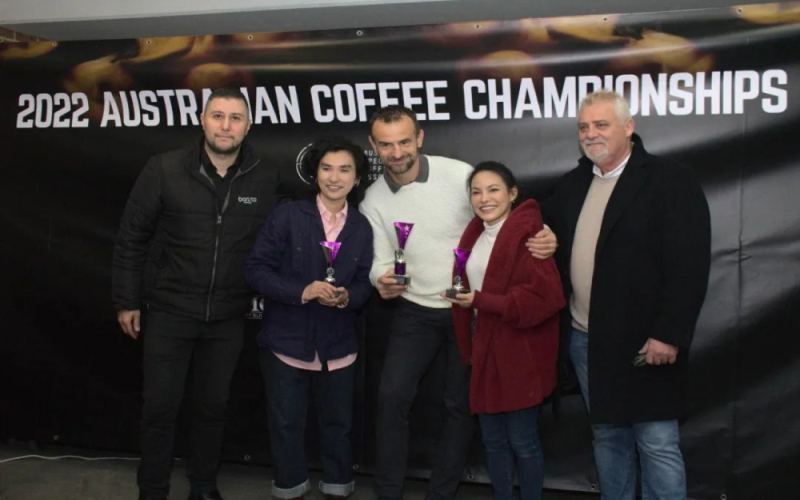
Sasa Sestic Returns to the Brewing Competition Arena: A Full Breakdown of the Ultra-Long Carbonic Maceration Geisha and the Ice-Stone Brewing Black Technology
2015 WBC Italian Champion Sasa Sestic returns to the competition stage after seven years. This time, he brings an experimental batch of Geisha from Iris Estate, a farm he created together with Jamison Savage, owner of Deborah Estate in Panama, to compete in the 2022 Australian Coffee Brewers Cup. This coffee professional, who has delved deeply into carbonic maceration for many years, chose to hold back in an era when anaerobic fermentation swept the competition scene, studying regional terroir and volatile compounds, and using his original Paragon brewing method and ice-stone aroma-locking technique to showcase the candy-like sweetness of an ultra-long macerated Green Tip Geisha. This article will provide a complete analysis of his brewing approach, staged pouring parameters, and flavor performance, with a recommendation from Front Street Coffee at the end. [more…]
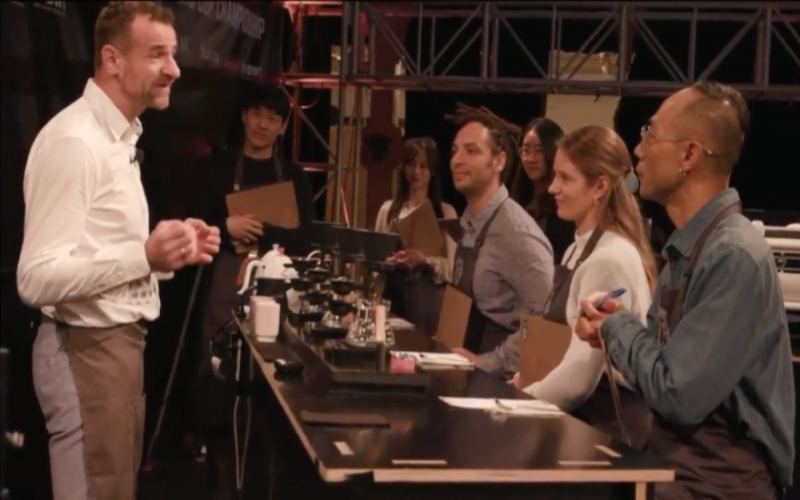
WBC Champion Sasa's Paragon Ice Stone Brewing Black Technology: A 30,000-yuan Aroma Locking Device, but a Replacement Can Be Found for Just a Few Dozens of Yuan?
2015 WBC champion SaSa Sestic returned as runner-up in the 2022 Australian Brewers Cup, bringing with him a brand-new brewing device called the Paragon—a specially made ice rock mounted in the middle of the dripper to lock in the volatile aromatics in the coffee liquid. According to Sasa, this invention is the result of collaborative research with Professor Jahan and the Swiss Coffee Center of Excellence, and it can capture up to 40% extra aromatics through rapid cooling during the first and middle stages of extraction. However, the official price of this brewing stand plus metal ice rock is as high as $4,292, equivalent to more than 30,000 RMB, which has sparked a lot of discussion among coffee enthusiasts. Bloggers on YouTube have already begun hands-on testing and found that its core component is similar in principle to the food-grade stainless steel ice cubes commonly seen in bars, while similar products on Taobao cost only a few dozen yuan. So what exactly makes this ice rock so special? When brewing the same Geisha with a V60 paired with the Paragon versus a plain V60, the TDS rises from 1.27 to 1.37—what differences are there in flavor performance? This article will explain it all in detail for you. [more…]
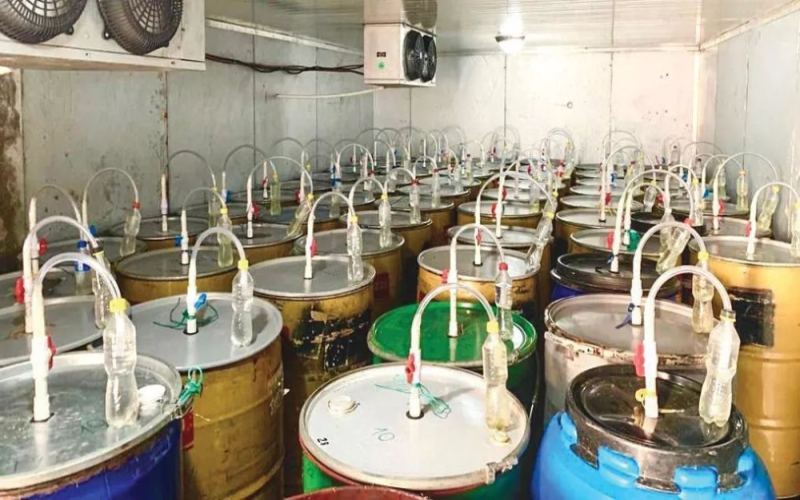
A Complete Guide to Anaerobic Fermentation Processing: The Differences Between Anaerobic Natural, Anaerobic Washed, and Double Anaerobic Methods
Anaerobic fermentation processing is a green bean processing technology that has attracted much attention in the coffee industry in recent years. Since Sasa Sestic, the 2015 WBC champion, brought it to the forefront, it has quickly swept through the specialty coffee world. Inspired by red wine-making techniques, this processing method injects carbon dioxide into a sealed container to expel oxygen, creating an oxygen-free environment that allows precise control of the fermentation process, giving coffee beans higher sweetness and more unique flavor layers. As processing technologies continue to evolve, experimental methods such as anaerobic natural, anaerobic washed, and double anaerobic have emerged one after another, each presenting distinctly different flavor expressions. This article will systematically sort out the principles and origins of anaerobic fermentation, and analyze one by one the process steps and flavor characteristics of these three common anaerobic processing methods, while also explaining them in conjunction with specific Front Street Coffee bean offerings. [more…]

Can the Paragon Gold Ball really lock in aroma in pour-over coffee? A hands-on comparison and breakdown of the principle
In the world of specialty coffee, flavor expression has always been the shared pursuit of enthusiasts and professionals alike. Beyond selecting quality beans, all kinds of extraction aids keep emerging, among which the Paragon golden ball created by world champion Sasa Sestic stands out. It claims that by rapidly cooling the coffee liquid, it can retain 40% more aroma. Is this a marketing gimmick or does it actually work? Front Street Coffee will walk you through how the Paragon works and, through actual brewing comparisons, verify the real impact of this little golden ball on coffee flavor. If you have ever wondered about the connection between aroma and flavor, or hesitated over whether it is worth buying, the experiments and analysis in this article may give you an answer. [more…]

Revisiting the Necessity of Preheating Coffee Cups: Flavor Performance of Espresso and Pour-Over Coffee Made with Chilled Cups
Conventional wisdom holds that preheating a coffee cup slows the rate at which coffee cools, helping maintain an ideal drinking temperature. However, as understanding of the relationship between temperature and flavor perception deepens, more and more coffee professionals have begun serving coffee in room-temperature or even chilled vessels—especially in summer, since this not only prevents burning the mouth but also allows the layers of flavor to be captured more clearly. It was on this basis that Sasa Sestic, founder of the Origin Project, developed the Paragon ice ball, which locks in aroma through instant cooling. So, if the cup receiving the coffee is chilled, could a similar effect be achieved? Front Street Coffee put this to the test, using chilled vessels to make espresso and pour-over coffee respectively, exploring the actual impact of low-temperature vessels on flavor presentation. [more…]
Front Street Selection: El Salvador Himalaya Estate — Honey-Process Red Bourbon Flavor Analysis and Origin Story
The El Salvador Himalaya Estate is located in the Santa Ana region, at an altitude of 1,500 meters in the Apaneca mountain range, and is managed by Aida Batlle, primarily cultivating Bourbon varieties. This lot of Red Bourbon and Typica is washed at the El Divisadero processing station and then dried on African raised beds using the semi-dry process, presenting a complex flavor profile of red wine acidity, plum, and brown sugar, with a full body and a long-lasting finish. Front Street Coffee brings you this specialty roasted bean, and also introduces the Project Origin green bean sourcing initiative founded by Sasa Sestic—a project that works directly with farmers in impoverished regions, improves production conditions, and purchases at 20% above fair trade prices, supporting the sustainable development of high-quality coffee. [more…]
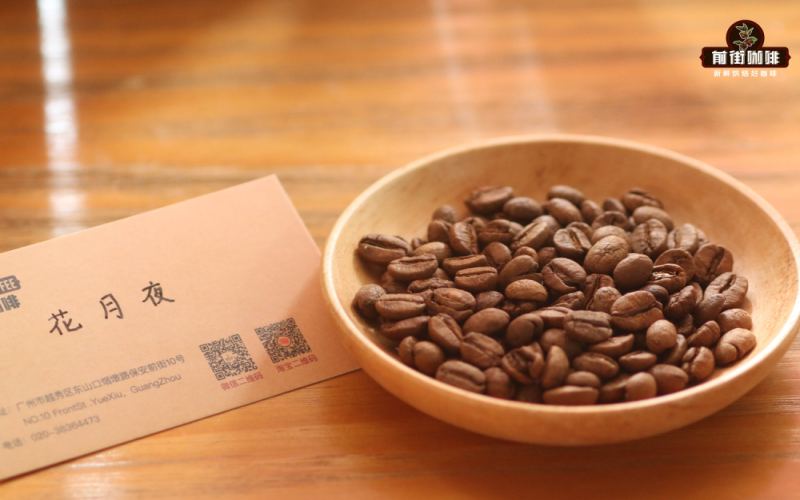
Introduction to Anaerobic Fermentation in Coffee | What Is the Anaerobic Fermentation Processing Method? What Is the Difference Between Anaerobic Natural, Anaerobic Washed, and Double Anaerobic Coffee Processing Methods?
Anaerobic Fermentation has been very popular in the coffee world in recent years, mainly because Sasa Sestic, the Australian competitor who won the 2015 WBC, started this trend, and even in 2018 WB [more…]
Yirgacheffe Aricha Natural G1 Pour-Over Parameters and Flavor Analysis: Front Street Coffee Brewing Recommendations
The natural G1 lot from the Aricha processing station in Yirgacheffe has long been renowned for its bright acidity and intense berry notes. Based on 15g of coffee grounds, a V60 dripper, and a water temperature of 90-92°C, this article shares a complete pour-over brewing recipe, while also outlining the origin background, processing flow, and flavor profile of this coffee. The article also introduces the Project Origin green bean initiative launched by Sasa Sestic, the 2015 World Barista Champion, as well as Front Street Coffee's self-roasting information for this lot, for the reference of coffee enthusiasts. [more…]
Front Street Yirgacheffe Natural Aricha G1 Green Beans: 2015 New Batch Flavor and Origin Analysis
Front Street Yirgacheffe Natural Aricha comes from the Gediyo region of Yirgacheffe, Ethiopia, graded G1, at an altitude of 1,900–2,100 meters, using natural processing and heirloom varieties. This lot is produced by the Kebel Aricha processing station, where about 650–700 surrounding smallholder farmers deliver ripe cherries in exchange for cash; after drying on raised beds with regular turning for four to six weeks, the pulp is removed and the beans are transported to Addis for storage, and only hulled before export to preserve quality. It is graded G1 by ECX, and the green beans perform excellently in appearance, consistency, freshness, and dry/wet aroma. The flavor profile shows light fermented wine notes, sweet orange, and honey sweetness, accompanied by pit dates, dark berries, lychee, star fruit, peach, longan and red date aroma, cocoa, and a hint of spice; the body is thick and the finish is long. At the end, the article also introduces Sasa Sestic’s Project Origin green coffee sourcing project and its practice of working with farmers and purchasing at 20% above fair trade prices. [more…]
Ethiopia Aricha G1 Natural Bean Flavor Analysis: An In-Depth Introduction to the Project Origin Initiative
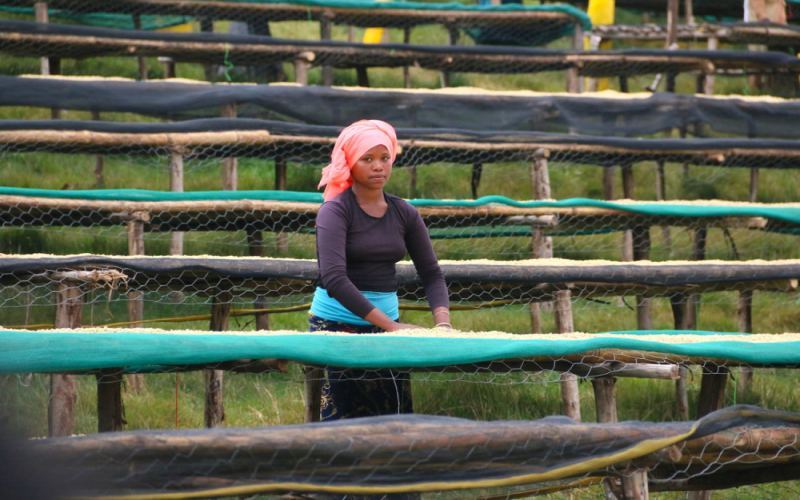
The Yirgacheffe Kebel Aricha processing station brings together the hard work of about 650 to 700 smallholder farmers in the surrounding area, who hand-pick ripe cherries in exchange for cash payments. After strict sorting, the fruit is spread on raised drying beds to undergo four to six weeks of sun exposure, and during the first few days it must be turned at regular intervals to prevent over-fermentation. This batch of natural Aricha was rated G1, the highest grade, by the ECX, with outstanding performance in green bean appearance, consistency, freshness, and dry and wet aroma. If you prefer bright acidity and intense berry notes, this bean is not to be missed. This article also introduces Project Origin, a green bean sourcing initiative launched by Sasa Sestic. The program works directly with farmers in impoverished producing regions, pays purchasing fees 20% higher than the Fair Trade price, and is dedicated to strengthening the connection between roasters and coffee farmers. Front Street Coffee also recommends this excellent work with rich layers of flavor. [more…]
Anaerobic Fermentation and Red Wine Processing: The Principles, Evolution, and Front Street Brewing Practices of Specialty Coffee Bean Processing Methods
In recent years, anaerobic fermentation and red wine processing methods have continued to gain popularity in the specialty coffee world. From the promotion by 2015 WBC champion Sasa Sestic to the early explorations of Costa Rican coffee farmers, these processing techniques, which draw on winemaking ideas, have brought coffee rich flavors such as strawberry jam, fermented wine aromas, and tropical fruits. This article systematically reviews the scientific principles of anaerobic fermentation, its essential differences from traditional processing methods, and the specific operational workflow of carbonic maceration. It also combines two representative beans from Front Street Coffee—Colombia Flower Moon Night and Panama Hartmann—to share roasting and brewing parameters, helping coffee lovers gain a deeper understanding of the core logic of this special processing method. [more…]
Front Street Ethiopia Natural Yirgacheffe Aricha G1: A Complete Guide to Imported Specialty Single-Origin Bean Roasting and Flavor
Yirgacheffe, as Ethiopia's most renowned specialty coffee region, has its G1 grade beans favored by home coffee enthusiasts for their cleanliness and flavor complexity. This article centers on Front Street's Ethiopia Natural Yirgacheffe Aricha G1 imported specialty single-origin roast, first sorting through the selection logic between the two major processing methods—washed and natural—then delving into the harvesting and natural processing techniques at the Kebel Aricha processing station, and analyzing the quality assurance behind the ECX G1 rating. The article also presents a complete flavor description of this bean and introduces how the Project Origin green bean sourcing initiative launched by Sasa Sestic directly supports farmers by paying 20% above fair trade prices. Whether you are a washed-method fan who prefers jasmine green tea notes, or a natural-method fan who loves intense fruit aromas and a slight fermented feel, you can find a daily staple that suits you. [more…]
Ethiopian Washed Yirgacheffe Aricha and Idido: Processing Plant Origins, Flavor Differences, and Front Street Coffee Selection Analysis
Yirgacheffe is one of Ethiopia's most iconic specialty coffee regions, and the two names Aricha and Idido often confuse enthusiasts—are they different names for the same washing station, or two separate entities? Starting from the underlying logic of the two processing methods, natural and washed, this article traces the history of the Aricha washing station and its predecessor relationship with Idido, and introduces in detail Front Street Coffee's two representative products from this region: Natural Red Cherry and Washed Aricha. At the same time, the article will also walk you through Project Origin, the green coffee direct-sourcing project initiated by 2015 World Barista Champion Sasa Sestic, to see how it gives back to the producing region through a purchase price 20% higher than Fair Trade. [more…]
Ethiopia Natural Yirgacheffe Aricha: A Flavor-Layer Analysis of Longan, Red Date, and Honey Sweetness
When it comes to specialty coffee, many people first think of a rich and captivating taste experience. However, not every coffee brewed from specialty coffee beans can be called specialty coffee—the key lies in whether it fully showcases the beans' own distinctive and beautiful flavors. The concept of specialty coffee was first proposed by Ms. Knutsen of the United States in the magazine Tea & Coffee Trade Journal. At the time, she was a coffee buyer for B.C. Ireland in San Francisco, and she was deeply dissatisfied with the industry's neglect of green bean quality and even the practice of major manufacturers blending large amounts of Robusta beans into their blends, so she advocated for raising the industry's quality standards. This term specifically refers to coffee beans grown in special environments with distinctive flavor characteristics, and it spread rapidly with the promotion of international coffee conferences. This article will take you into an in-depth look at the sun-dried Yirgacheffe from the Kebel Aricha processing station, savoring its unique flavor intertwined with longan and red date aromas and honey sweetness, while also introducing the Project Origin green bean sourcing initiative launched by Sasa Sestic, as well as related recommendations from Front Street Coffee. [more…]
Ethiopia Yirgacheffe Natural Aricha G1 Flavor Analysis and Pour-Over Parameters
Yirgacheffe is one of Ethiopia's most representative specialty coffee regions, and its natural process lots are highly sought after for their intense fruity aromas and full body. This article focuses on the natural G1 grade Yirgacheffe produced by the Kebel Aricha processing station, a lot belonging to the Project Origin green coffee sourcing project initiated by Sasa Sestic, the 2015 World Barista Champion. The article will guide you through Yirgacheffe's growing background, processing methods, and flavor characteristics, and share a complete set of pour-over extraction parameters. It also introduces information about Front Street Coffee's related products, making it suitable for coffee lovers who enjoy bright acidity and berry notes. [more…]

How Anaerobic Fermentation Reshapes the Coffee Flavor Landscape: From WBC Championship to Santa Viny 96-Hour Natural
In recent years, the coffee consumer market has continued to expand, and various novel green bean processing methods have emerged one after another. The industry habitually refers to them collectively as special processing methods. These techniques give coffee a more diverse and distinctly individual flavor expression, and also bring richer layers of mouthfeel, thus winning the favor of a large number of enthusiasts. At present, the more mainstream special processing methods include anaerobic washed or natural, enzyme washed, lactic acid fermentation, and barrel-aged processing, among others. Among them, anaerobic fermentation has especially high exposure. This trend can be traced back to 2015, when the WBC World Barista Championship winner that year, Sasa Sestic from Australia, brought anaerobic fermentation processing into the public eye, and discussions around the fermented feel of coffee have not ceased to this day. This article will sort out the development of anaerobic processing, analyze the specific process of anaerobic natural, and introduce anaerobic-processed coffee beans such as Santa Vini currently sold by Front Street. [more…]

How do you use the Paragon小金球 for pour-over coffee? An analysis of the actual effects and key operating points of the rapid-cooling aroma-locking method.
In the past two years, a coffee processing method called "rapid chilling to lock in aroma" has become popular in competitions and among enthusiasts, shared and promoted by Sasa Sestic, with the core tool being the Paragon chiller ball. It works by rapidly lowering the temperature of the coffee liquid to slow down aroma volatilization, theoretically preserving more flavor. But how effective is it really? Why do most competitors only rapid-chill the first portion of the coffee liquid? Front Street conducted a comparative test using a pour-over of Huakui and a Strawberry Candy espresso, and found that the aroma difference in the pour-over group was not obvious, while the espresso group showed mouthfeel differences due to temperature changes. This article will break down in detail the principle of rapid chilling to lock in aroma, the results of the comparative experiment, and the two major reasons for only chilling the first half, helping coffee enthusiasts view this technique rationally. [more…]
Rume Sudan, an ancient and delicious coffee variety.
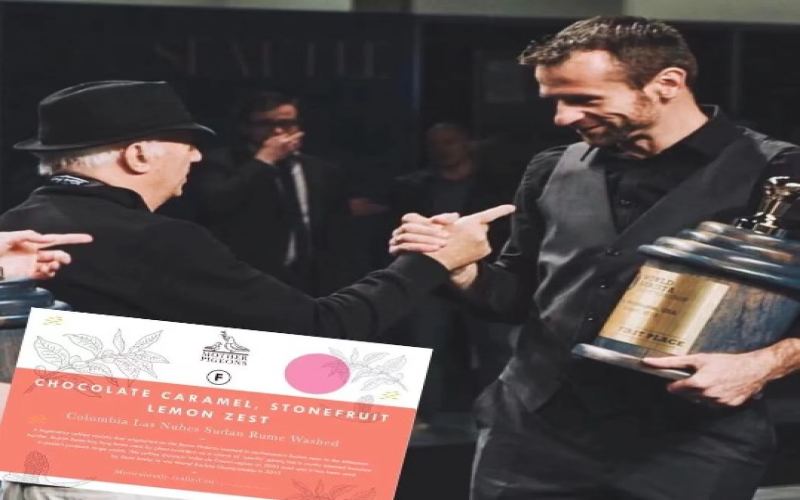
In the World Barista Championship (WBC) in 2015, the competitor from Australia, Sasa Sestic, won the championship of that year with a Sudan Rume coffee that carried a gentle flower fragrance, the sweet and fresh juice, and the lemon grass aroma, succ [more…]

How does the Paragon ice ball affect pour-over coffee extraction? A hands-on comparison of aroma and temperature differences
The Paragon ice ball, which made its debut at the WBC Brewing Championship, claims to lock in 40% of volatile aromatics, making coffee flavor fuller. It preserves aromatic compounds by cooling the extracted liquid, but how does it actually perform? Front Street Coffee conducted a comparative brew using Panama Boquete Geisha, one regular and one with the ice ball, tasting from temperature to aroma to acidity one by one. The results revealed that the ice ball's main function is actually to lower the coffee's temperature, reducing sensory obstacles caused by high heat. Is it worth buying? This article reveals the answer for you. [more…]
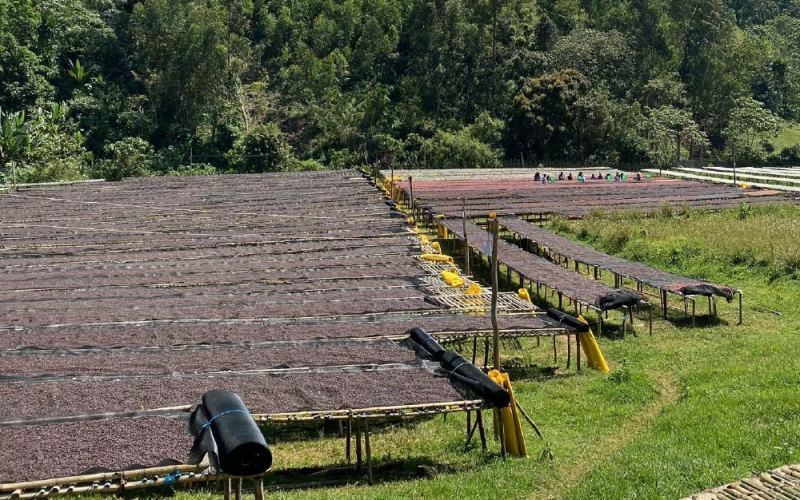
Front Street Coffee Sun-Dried Yirgacheffe Aricha Factory: A Complete Analysis of Ethiopian Specialty Coffee Flavors
Yirgacheffe is one of Ethiopia's most iconic specialty coffee regions, and the natural-process lots from the Kebel Aricha processing station are renowned for their bright acidity and intense berry notes. This naturally processed Aricha, handpicked by Front Street Coffee, has been graded G1—the highest level—by the ECX, excelling both in green bean appearance and in-cup flavor. This article will walk you through the details of the natural processing method at the Aricha station, a complete flavor description of this bean, and the "Red Cherry Project" that has been driving up Ethiopian coffee quality behind the scenes, exploring how natural processing gives coffee beans fuller sweetness and fermented aromatics. [more…]